Lessons Learned From My First Professional Portrait Photoshoot in Bangkok

I know it can feel overwhelming to take professional photos of yourself, especially if you’re not (or don’t consider yourself) a major celebrity, business bigwig, or someone famous. But in today’s digital world, it has become very common and normal for everyone to take professional photos for different reasons. 

The main reason for me was to get some professional headshots to use for press, media stories and profiles. My blog is growing slowly and gaining some online media attention and I need to have better photos of myself (that are not selfies!) to submit. 

I learned some very valuable lessons from my first experience posing in front of the camera and I thought if there’s anyone else who’s thinking about investing in a professional photoshoot, they might find my lessons learned and tips for success listed below useful. 


Identify the objective of the photoshoot and be realistic about what is achievable with the budget you have. 

This might sound strange but hear me out. You’re investing time and money so you should get what you really want out of a photoshoot. But this doesn’t mean you can do everything in one photoshoot so this is why I say you need an “objective”. Whether it’s to photograph outfits in a certain way or get close ups of makeup looks or capture kids/dogs/family or take editorial-style photos — you need to know what you want. In my case, I wanted headshots and a few casual portrait photos to help with my professional branding. This meant my photoshoot lasted about 1-1.5 hours and I decided on only 1 location with two different outfit changes. 

Choose a photographer whose work you genuinely like and connect with. Then meet with them before even hiring and get a sense of who they are, how they work and whether you feel comfortable with them or not — are they patient, personable, willing to listen etc? 

Finding the right photographer who is right for you is the most important part of a photoshoot’s success. I can’t stress enough how much chemistry and comfort matters if you’re new to photoshoots. You have to find a way to relax and be natural so you’re feeling confident to pose in front of a camera but that will not happen if you’re not genuinely feeling connected with the photographer. After assessing the photographer’s portfolio, ask to meet up or to have a call to discuss your photoshoot objectives, budget and any other thoughts you might have — this will give you the opportunity to really figure out if the photographer is right for you. And if not, don’t be dejected or disappointed. Keep looking until you feel confident and sure about a photographer.

Study your body angles / facial expressions and figure out if you have a “good” or “preferred side” of the body / face before the photoshoot and focus on your posture all the time during the shoot 

If you’re new to photoshoots posing (while also hoping for dear life you don’t look silly) can be really stressful. A good photographer will guide you as much as he/she can but it’s also up to you to know yourself well enough to know which poses and expressions make you feel most confident and which do not. I’ve learned that I don’t like photos of myself where I’m facing the camera head on — I like to be standing at an angle. I’m at my best when I’m smiling so most of my poses reflect that. I’m also tall and slouch a lot so my biggest focus during the shoot was to stand up straight and keep my shoulders relaxed. I told my photographer about my angles, expressions and posture before the shoot began so she made it a point to guide me if something didn’t look quite right. And I think being prepared and aware of myself helped me feel less anxious during the shoot itself because I already kind of identified my “weak points”.
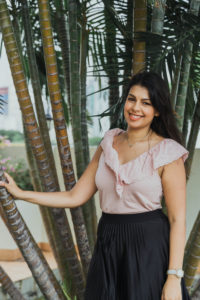
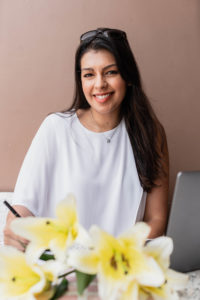
Choose a location with a good amount of natural sunlight and different backgrounds and textures to give variety to your photos without having to move around too much. 

At first I thought about doing the photoshoot in a public park and also in front of a big mall and local train station because I thought I wanted to capture myself as an urban creative professional in Bangkok. But then I thought about it again and realised I’m doing headshots and portraits, which means there will be mostly close up shots, not wide angle ones. I also didn’t want to risk sweating in the heat and ruining my outfits so I decided to keep it simple and do the shoot by condo’s poolside and garden. My photographer was really good at using the space smartly and it’s something I noticed from her portfolio before I even decided to work with her. And shooting in natural sunlight results in some of the best photos.

Think about where the light source is when taking photos and always be sure to face the source (and not against it) so that you are well lit. Time of day matters when it comes to getting the best natural light for photos. 

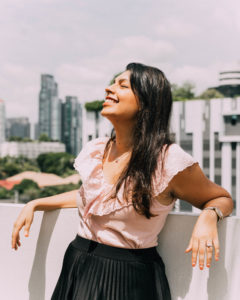
The photographer will guide you with this. But I think it’s good practice to always check where the light source is and position yourself in such a way that you are facing the source, and not against it, so you are well lit. The best times of day to shoot is in the morning or late afternoon/early evening because those are the times when you will have the most sunlight shining on you. During midday the sun is directly above you and so you will appear backlit and shadowy (for lack of a better word) in photos. The morning light is bright and lights you up in the most natural way. The late afternoon light — golden hour — tends to be a bit more golden-hued creating a different effect in photos. So once again, go back to your photoshoot objective and carefully think what kind of lighting you want in the photos. In my case, I wanted headshots so I opted to shoot in the morning (around 10AM) to get the most natural, true-to-self lighting.
ankita_sodhia_08252019-19

Plan outfits with your photoshoot’s objective in mind. Choose solid colours and/or simple prints that don’t distract or take away focus from you. 

For my headshots and portrait photos, my objective was to look like a creative professional in the digital / social media space with an approachable, non-corporate vibe. To achieve this, I decided on two outfits: denim jeans with a simple white top and a black skirt with a dusty rose top. To make the outfits a little more casual I wore espadrilles instead of pumps. Each look had the perfect mix of playful yet professional. If you’re confused about what to wear for a photoshoot like this, I think it’s best to go simple and choose something you feel confident in. Black, white and denim are easy colours to wear — they’re timeless and photograph well. If you choose to wear prints, wear something simple that won’t look too busy in a photo.
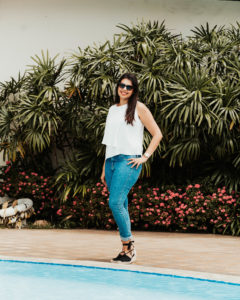
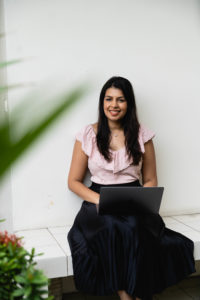
Makeup depends on the type of photoshoot you’re doing. In general, it’s good to have natural looking skin, some colour on the cheeks and lips, and eyes enhanced with liner and mascara.

For my photoshoot I kept my makeup pretty simple. I wore foundation and concealer to even out my skin tone. I added some bronzer and blush on my cheeks and a bright coral lipstick colour to bring some warmth and colour to my face. Even if you don’t want to wear a lot of makeup, I think one little makeup trick that works to make your eyes look bigger in photos is to add some liner on the top lash line and mascara. Cameras these days can make your skin look amazing, so even if you choose to wear no makeup you will be fine. But I think it’s nice to add a little colour to the lips and definition to the eyes.

Bring props to add some visual interest to the photos. 

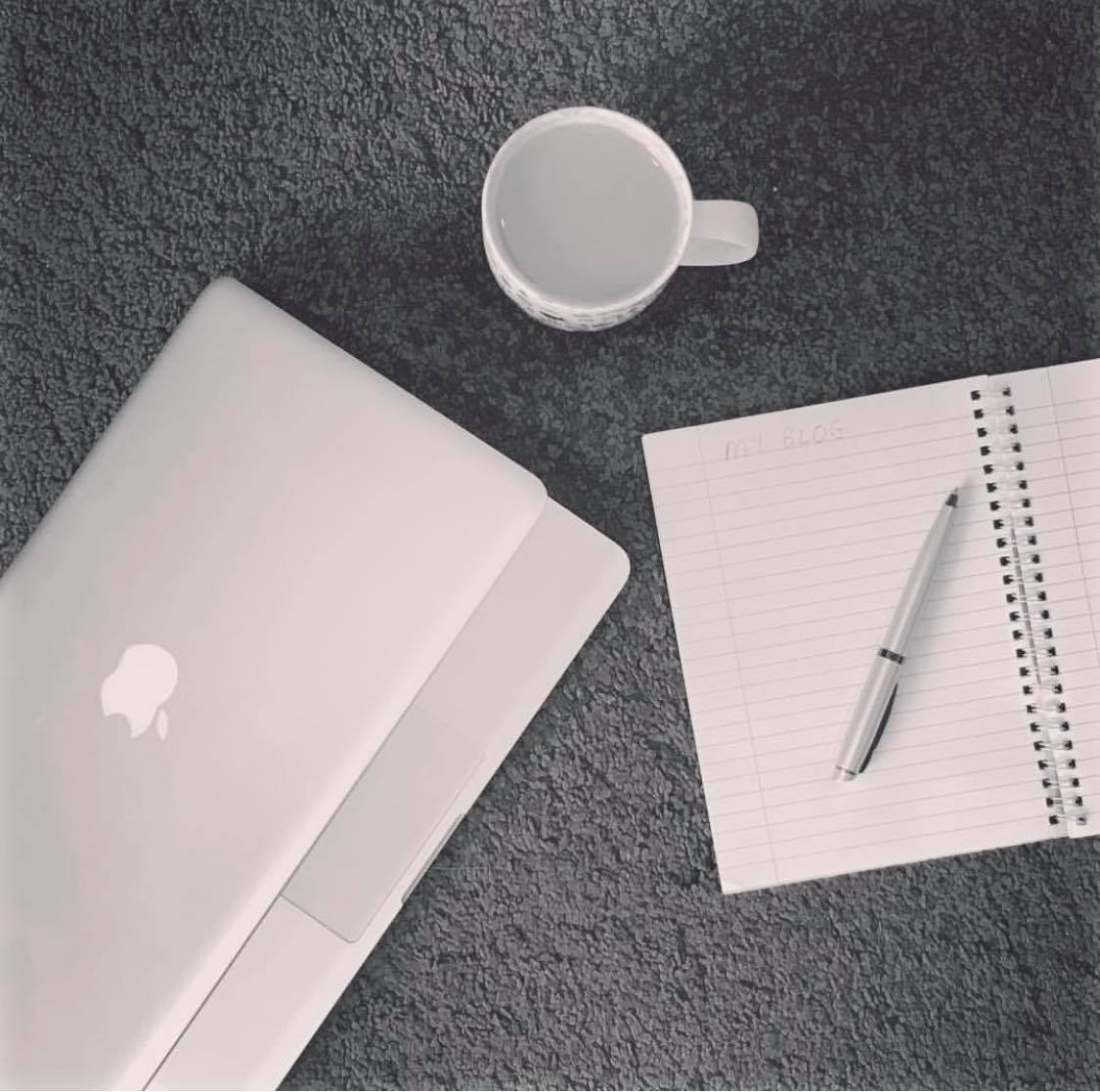
Another way to make your photos interesting is to add props such as books, flowers, electronic devices etc. Choose something that makes sense for your photoshoot objective. In my case, I had a coffee mug, laptop and notepad to help portray myself as digital creative professional and for some more laid back photos I had sunglasses and flowers. Some photographers may have props but to be on the safe side, I think it’s best to be prepared with your own props so you’re sure you like them.
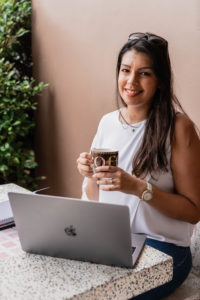
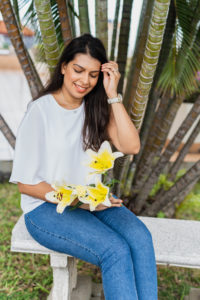
Play music, chat with your photographer, don’t ask to look at each photo, relax and have fun! 

My photographer had the genius idea to play music during the photoshoot to create a laid back, casual atmosphere. And it worked! I immediately relaxed and I wasn’t so self-conscious. During the photoshoot my photographer was great about keeping me distracted with fun conversation between shots. I also made it a point to not ask to see each photo after it’s taken because I know this can increase my stress to ensure every photo is “perfect”. After working so hard to be prepared, relaxed and feel confident during the photoshoot, the last thing I needed was to bring back unnecessary stress and anxiety so I saw a few initial photos and then I just let go and trusted the fact that my photographer knew what she was doing. And the most important tip: have fun!


I hope you found these photoshoot tips helpful. Let me know if you have any questions or comments below. 
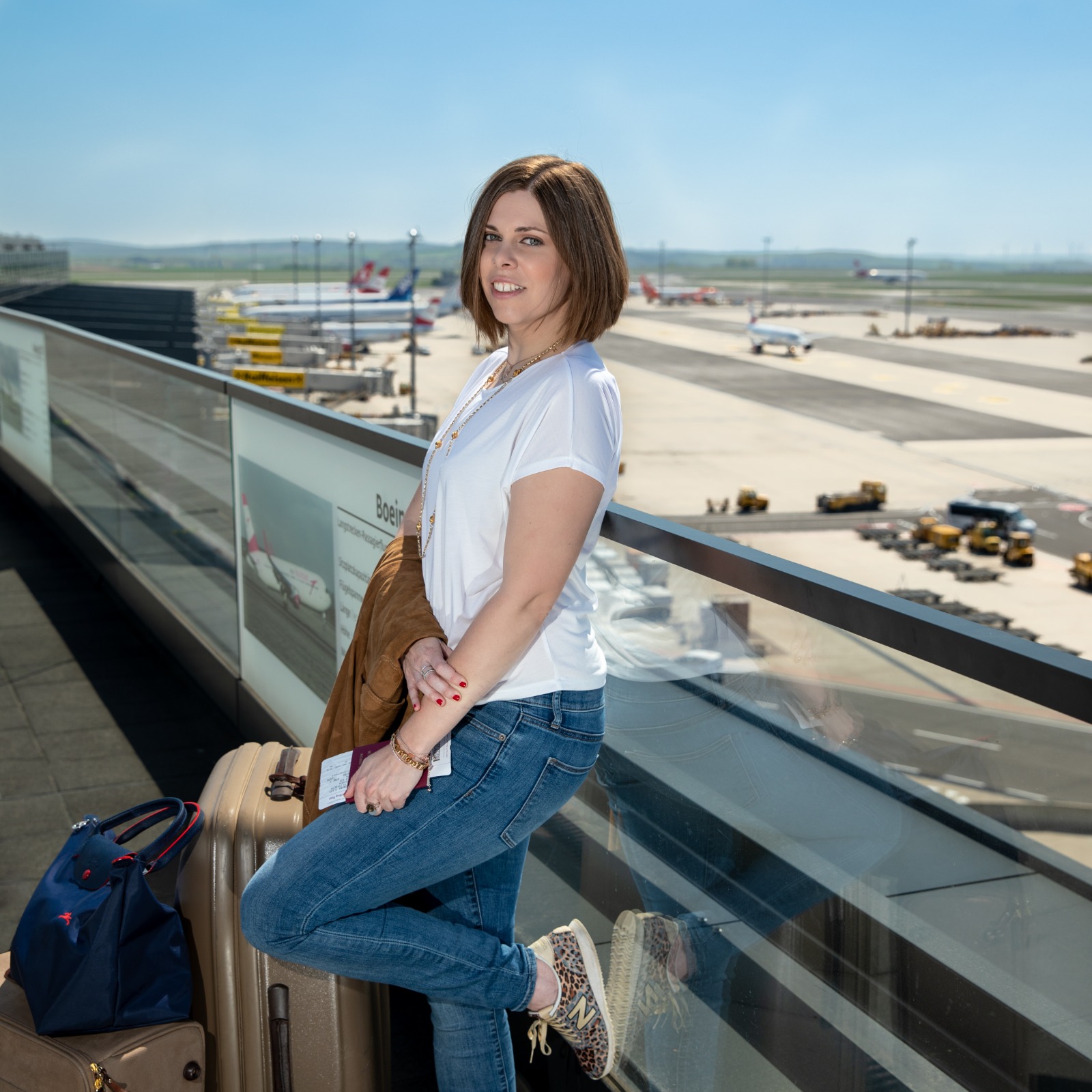
Female Founder In Focus: Elisabeth Steiger — Creative Tech Entrepreneur and Citizen of the World

Winning Photo Shooting Airport Robert Becksteiner FotodesignThis is the first post in a new series I’m launching on the blog called Female Founder In Focus, which essentially celebrates women blazing trails in different areas of business, tech, art, entrepreneurship, fashion, beauty etc.

I hope by sharing the stories and journeys of other women you are inspired to chase your dreams, work hard and never give up.

In today’s Female Founder In Focus, I interviewed Elisabeth (Liz) Steiger — a good friend and incredibly creative tech and lifestyle entrepreneur. Here’s her story:


Tell us a little about yourself and your background

I was born and raised in a small town near Austria’s capital Vienna. During my Master’s studies, I spent one semester in Beijing, China, and fell in love with Asia. I returned to Austria and knew I wanted to pursue an international career. Therefore, I obtained a postgraduate degree in International Relations and worked as a trainee in the Austrian Ministry of Foreign Affairs. Next to my job, I worked on my PhD-thesis about Austrian companies in China which brought me back to Asia in 2011. After my graduation, I joined Siemens, a German conglomerate, as an associate of a program which was directly supervised by the global CFO. I lived what everybody else considered the dream life – moves to Germany and China, job positions with a lot of responsibility and high visibility and a related salary. 

However, I always felt that I wanted to become an entrepreneur and kept brainstorming about potential business ideas with friends. In 2014, I took the leap, quit my job and started a tech-company in Hong Kong – we successfully launched, marketed and operated a fitness app targeting the Chinese market. On the side, I launched my blog The Pink Lookbook as a creative outlet where I started sharing my travel advice. Over time, this hobby evolved into a more serious project: a media platform for career women; for women like me, for those who want to explore, pursue their dreams and enjoy the beautiful things in life. It is strongly linked to my latest venture Pelagona – an e-commerce platform delivering luxury products supporting artisans from all over the world.

Tell us about your business(es). How did you get the idea(s) and how did you start?

When I lived in Shanghai in 2013, I started to suffer from back pain. I spent most of my time sitting at the office and rarely exercised. I used to be a runner in Europe but due to the air pollution, climate and lifestyle in Shanghai, I needed to find an alternative. For the first time in my life, I signed up for the gym and booked a personal trainer. When I asked her about advice to improve my cardio performance, she suggested using the Power Plate. I was not a fitness expert but I knew this device was used to strengthen muscles rather then cardio.

I started observing people at the gym. At this point in time, most of the gym members were either foreigners or Chinese men. I hardly saw any local women. One day, a guy next to me ran on the treadmill without shoes. I thought it may be a special way of exercising and asked him about it. But he just replied: “I thought that’s the right way to do it.” In addition to a lack of knowledge about sports, my Shanghainese girlfriends told me they did not like to exercise. They considered it too much effort and time. Most of them juggled their careers and family. Furthermore, they felt uncomfortable going to gyms and being judged as beginners. Instead, they took medication or avoided carbs to stay thin. I realized that health was not in their minds as yet. 

Exercise improved my health and it also made me more confident. I really wanted to share this experience and empower others with sports. And this is how my first venture Imperial Glamour Club was born: easy and short exercise routines which could be done anywhere – at the gym, at home, at work at a hotel. The concept was completely localized and adapted to the local tastes and needs of China’s market. 

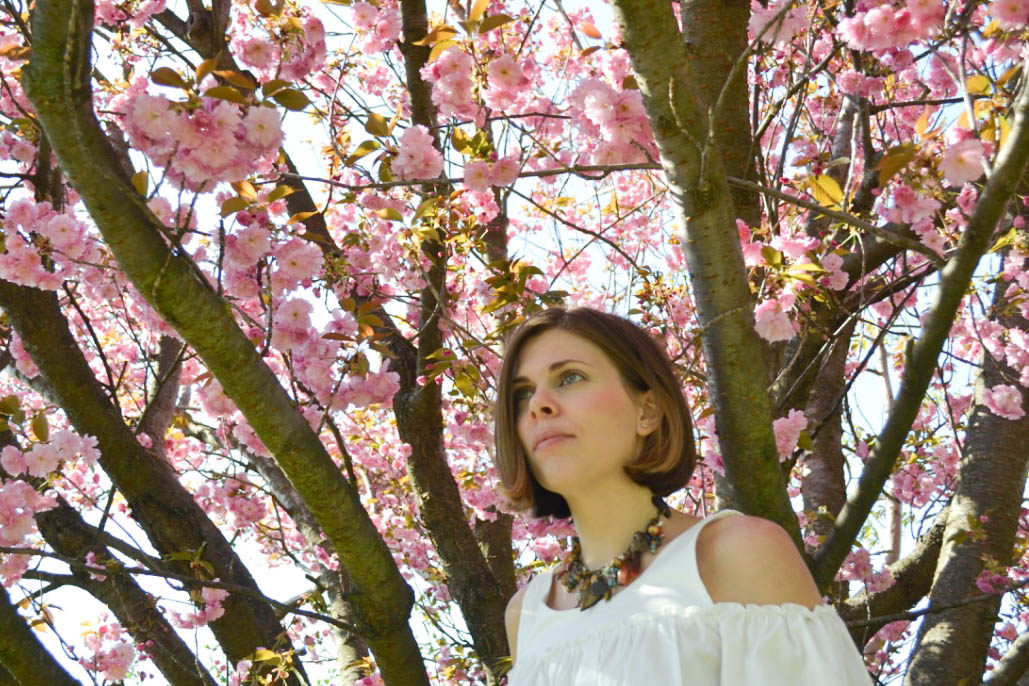
Cherry BlossomsI wanted to share what I learned as an entrepreneur with other career women and started my blog The Pink Lookbook roughly at the same time. I wanted to empower other women to believe in themselves, be ambitious and pursue their careers. Therefore, I started sharing my personal stories as a founder and also interviewed other women with interesting career paths. Over time, The Pink Lookbook has evolved to target career women who also appreciate the beautiful things in life – travel, art, fashion and design. 

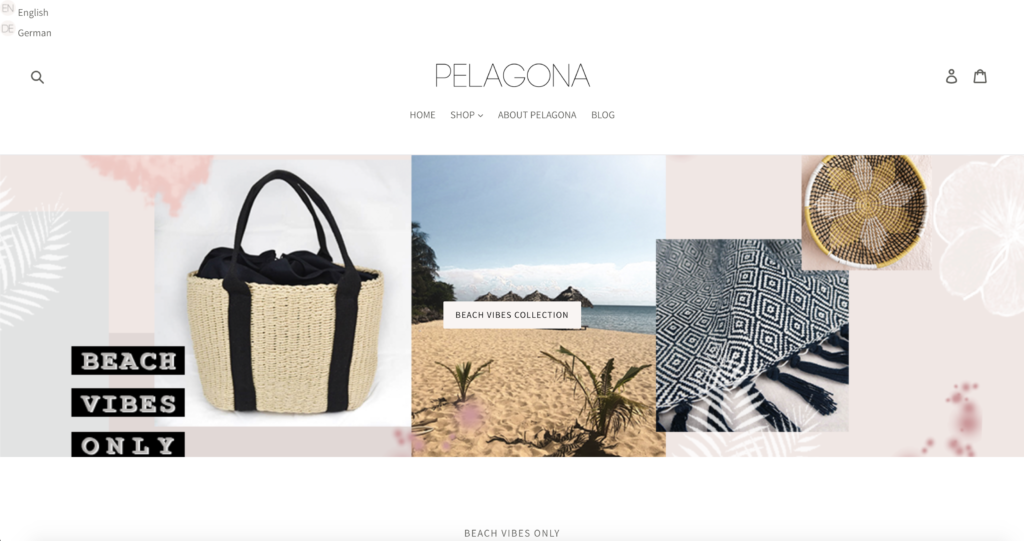
My online shop Pelagona was born out of my passion for fashion, design and travel. I am inspired by the places I’ve been and experiences I’ve had to discover unique pieces of decor and lifestyle accessories; each item on Pelagona is hand-picked and sourced by me. My goal is to support local artisans in different corners of the world and prevent local handicrafts and arts from dying out. On my travels, I find beautiful products and discover there are so many local art-based industries that are fading. This is a result of the younger generations not carrying on the art and tradition because they are leaving towns and villages in search of jobs with better pay in bigger cities. I built Pelagona with the hope to support the livelihood of female artisans and keep local arts and crafts from around the world alive by bringing their products and stories to life online.

Screen Shot 2019-08-23 at 11.16.07 am

How did you fund these projects?

All of my projects were or are bootstrapped, which means I invested my own money. When I started Imperial Glamour Club, I invested my savings I had built up during my corporate job. I always try to stress that external investment can be a great way to scale a business but it is no “holy grail”. If you are thinking about raising funds, also think about the related obligations (and potential) pressure. Moreover, your objectives as a founder and those of your investors might not always be the same.

What are the most useful skills you have learned for your business?

I would say that being an entrepreneur requires me to learn very quickly, to wear many different hats and to not be scared of entering unknown areas. YouTube and Google have become my best friends. I expanded my Corporate Finance and International Relations background with skills such as creating apps, websites and digital customer journeys, Marketing and Branding, videography, video/photo editing and illustration.

However, the biggest learnings were and still are those about myself. I learned to not give up, keep believing and pushing myself – even when things looked really bad.

Tell us about some unexpected challenges you faced and how you overcame them.

Apart from the obvious hurdle of founding a business, one of my biggest challenges was to start a business in a foreign country. Most founders I know agree that founding a business itself is a tough task. Doing it abroad adds more dimensions such as intercultural differences or the necessity to build up a network from scratch. 

I knew Hong Kong very well before I moved and I had built up a network. Nevertheless, starting a business in a foreign country and with a limited social network can be even more challenging and lonelier than at home. Nevertheless, I had a reason to be in Hong Kong and tried to make the most out of the benefits. Hong Kong is a city where it is very easy to meet interesting people and network.

Tell us about your career highlights.

My highlights are when people actively approach me with interesting ideas for my projects. Recently, I had quite a few friends and followers on Instagram who suggested some NGOs and local initiatives for potential collaborations with Pelagona. Furthermore, I consider all the people I met along the way as highlights. I always love to connect with likeminded people and hear their stories. 

Advice for aspiring women who want to launch their own business

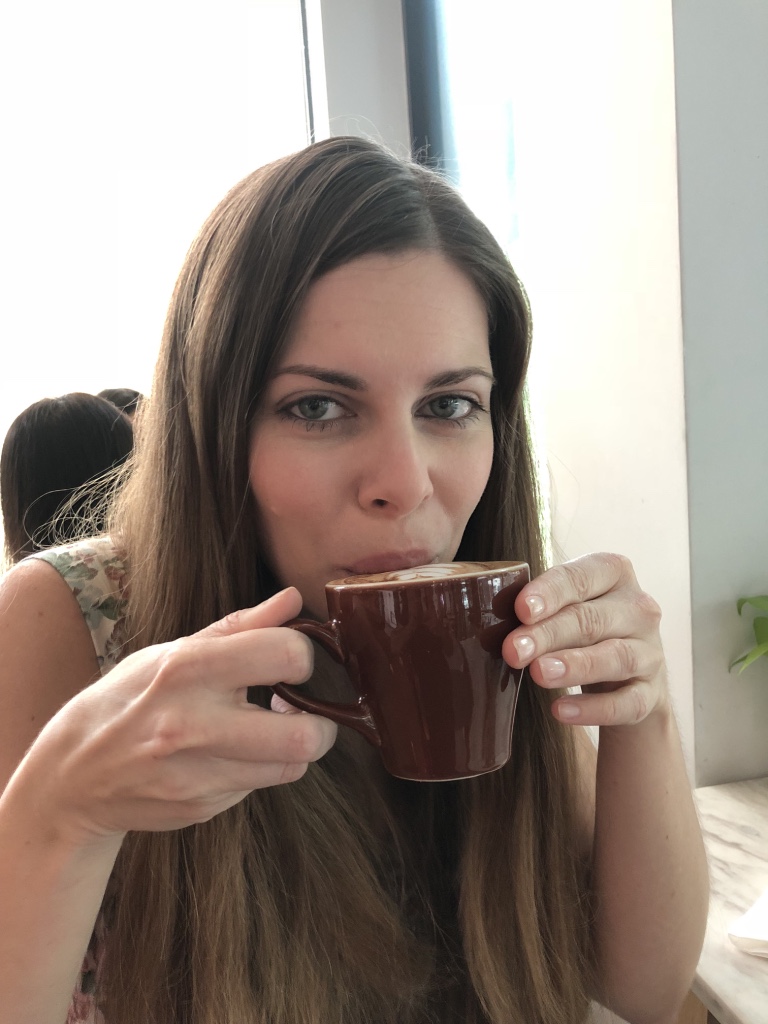
Coffee AddictStop doubting yourself! Stop listening to the mean voice in your head. Imagine your inner voice was a friend in real life. If this person doubted you and made you feel bad, would you spend time with this “friend”? It may be challenging, but believe in what you are doing. There is a reason why you ended up where you are. If you sow positive seeds, good things will happen in the future.

Dare I ask — what next?

I am currently working on more content for The Pink Lookbook – there will be more style guides for (business) travel, for example. On Pelagona, there will be many new additions to the store – a new collection of baskets by a female weaving community in Kenya just went online and more partnerships are in the pipeline.


Connect with Liz

Instagram: @lizsteiger

The Pink Lookbook: www.thepinklookbook.com / Facebook: @thepinklookbook

Pelagona: www.pelagona.com / Instagram: @pelagona / Facebook: @pelagona 


Tips On How To Get Good Photos With A Smartphone For Newbie Bloggers In Bangkok And Why Professional Photos And Equipment Isn’t Necessary

I think one of the hardest parts about running a blog is figuring out how to take good photos and use the images. I believe photos are necessary to add context and visual interest to written content while sometimes I do feel a bit awkward about sharing so much of my private life on a public platform.

In a recent post I talked about how it took me a very long time to even start blogging because the whole photo and visual aspect became a self-created mental road block. But once I realised that photos actually play a very important marketing role for my blog and help increase readership, I had to learn more about how to take good photos (on a budget!).

Here are some of the tips and tricks I have learned in my young blogging career and hopefully you’ll also see why you don’t need to invest in fancy equipment or hire a professional photographer at this stage.

Planning out visuals and composition is just as important as planning out content

I made this the first tip because I think it’s the most important. When I started out blogging I wouldn’t give too much thought to my photos because I enjoyed writing and that’s what I focused on. But that quickly changed because I realised a reader’s eye will be drawn to an image or visual first before they begin reading the written content. If the image is something of interest to the reader, they will be more inclined to read on. Again, this doesn’t mean stressing out about having perfect photos. It’s just about being aware about the content and how to enhance it with the right photos. I like to add no more than three to four photos to a post unless it’s a product-related post or a tutorial which may require more images.

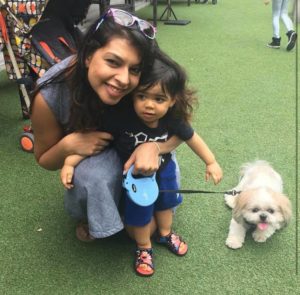
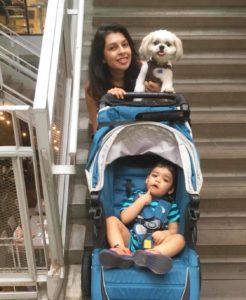
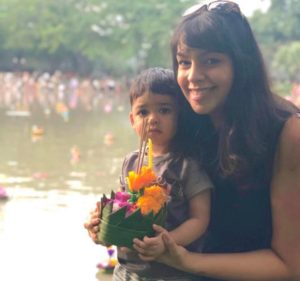
For example, a lot of my blog content centres on life as a mom so with that in mind I make it a point to take photos with my son and dog in focus, especially if we’re traveling or doing something unique and I have planned to blog about it. The photos are far from perfect; they’re always natural and raw and I prefer to compose it this way because it reflects motherhood in a way that makes sense to me — my visual strategy matches my content strategy.

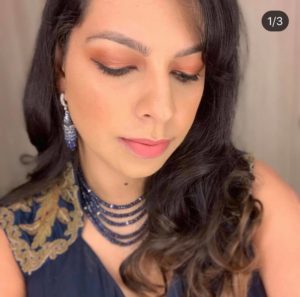
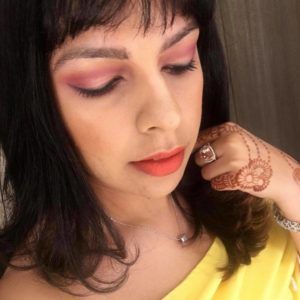
Alternatively, I also write about beauty products and do makeup tutorials and the visual strategy for this kind of content is completely different. I focus a lot more on the photo composition and edit the photos so that the products and colours show up clearly. To put it simply — I pose a lot and in certain ways to achieve a desired effect.

Knowing where the light source is when taking a photo 

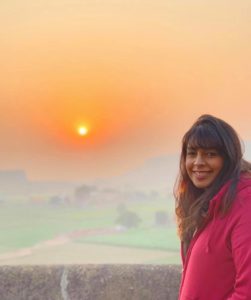
Given that sharing photos of our lives on social media is the norm, knowing where the light source is when taking a photo is a life skill and not just a photography one. The reason it’s important to know where the light source is coming into a photo is because it will determine how well lit the main object or person in the photo is. If the light source is coming from behind (such as standing against a sunset or sunrise), the main object or person will be badly backlit making them appear dark with a glaring outline. Now if for the same photo, the main object or person faced the sunrise or sunset then they would be very well lit and the photo would turn out much nicer. So you’ll often see me glancing around at the sky if we’re outdoors or at the ceiling if we’re indoors trying to see which direction the light is coming from and where darkness and shadows can fall, then I’ll decide where and how to pose to get a good photo. You don’t need any pro equipment for this tip, just your own judgement and a lot of practice and before you know it hunting for the light source kind of becomes an automated response to taking photos.

Editing photos is a vital skill, adding filters is not

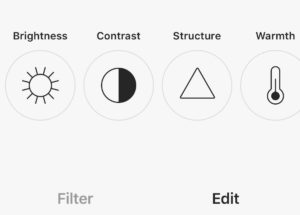
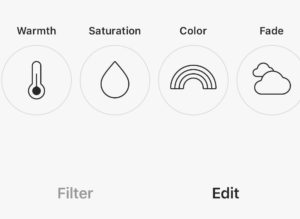
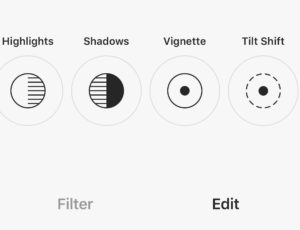
I use iPhone’s photo editing tools as well as Instagram’s photo editing tools to edit my photos before I post them on the blog or social media. I think it’s perfectly fine to edit photos if the lighting or colouring is off. But I almost never use a filter anymore because I think it takes away from the depth and trueness of a photo. I also never use FaceTune or any other kind of editing app that will change the way I physcially look in photos because my brand essence is about keeping it real. As a visual strategy and personal style choice for my photos I prefer them to be bright, vibrant and more warm-toned so I will adjust and edit the settings for Brightness, Warmth, Saturation and Shadows and that’s about it. I spent sometime learning about colours and lighting from more experienced photographers and figured out my own aesthetic along the way. Again, nothing I do with regards to editing is fancy, complex or expensive, I learned most of it by experimenting with the editing settings on Instagram.

Asking friends, family and even strangers to help take photos 

Asking people to help with photos I want for my blog is a skill I had to learn. And it’s an important one if you’re serious about blogging and wanting to improve content and increase readership. I find it helps to ask someone I’m comfortable with to take photos of me because then I’m not as self-conscious and I can relax. But if I don’t have that option, then I’ll ask strangers and they’re mostly kind and obliging, I also always offer to take a photo in return as a thank you. Again, you don’t need a professional photographer to take nice photos because today’s smartphones have incredible cameras. As long as you have some idea of what the photo composition should be and where the light source is, any smartphone camera will do. I use my iPhone XS for all my photos.

Keeping an eye out for interesting locations and backdrops

Once I got comfortable with taking photos and posing for them, I automatically started to keep an eye out looking for new locations and backdrops to make my photos more interesting. But since my blog is not a fashion or travel blog, I don’t have to stress too much about this kind of photography; I think it’s important to do what makes sense for me and my brand. I also keep in my mind my blogger friends who might benefit from a location or backdrop — sharing is caring.

Having fun and being myself

It’s taken me a while to get comfy with the idea that me and my life are the focus of my blog. Now whenever I’m taking photos or asking someone to help take photos of me for the blog, I proudly and happily say “I’m doing it for the blog” even if I do receive looks of confusion, I don’t really care because this is my business, my product and I’m the CEO. I have stopped overthinking every pose and just go with the flow. Yes, there will be bad photos but who cares? Just go ahead and take more and cherish the outtakes as a memory. Having fun and being myself in photos is when the best moments happen and they’re the photos my readers respond to the most because they see someone they know and can connect to.

_______________________________________________________________________________

I hope this post was insightful and useful but also clarified why you don’t need to invest in professional equipment or photographers for your blog, especially if you’re just starting out.

Have I missed any valuable tips?

Please share your tips, thoughts and comments below.

The Lesser Known Realities of Being A Freelancer / Work From Home Parent in Bangkok

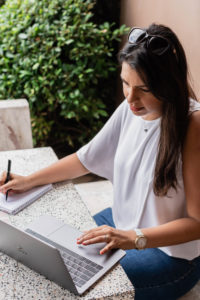
56444220_275572496703470_996390081474330624_n“Working from home” is a buzzword for my generation — Gen Y aka Millenials.

Technology has advanced so much that things like working from home — or from anywhere in the world —  a legitimate option.

In this post I wanted to share some of the unexpected surprises that hit me when I transitioned into a freelancer / work from home career.


Being your own boss is not as “cool” as it appears

I have always wanted to be my own boss. It just sounds cool. But is it really? Yes and no. I do like the freedom of choosing my projects and having the flexibility over my schedule. But what is tricky is all the other roles I have to play along with CEO:

  • HR manager to ensure I am motivated every day
  • Accountant / finance manager to ensure invoices are issued and payments are timely
  • Business development manager to ensure there’s always new work or projects in the pipeline

Trying to get work done at home sometimes takes much longer

I think there’s this assumption that working from home is “easier” because what is better than being in the comfort of your own home? But it’s not easier. There are so many things going on around me at home that sometimes I find it hard to focus and then it takes even long to get work done. If I am in an office or working outside my home, I can focus on the task at hand, get it done and then worry about home stuff when I get home. But when your home is your office, trying to make a clear physical and mental divide between the two turfs takes effort daily.

Working from home does not automatically mean more quality time with your child 
So I totally thought that working from home would be the ideal solution to spending more time with my son because I will be at home more. Turns out it’s not quite as I imagined. When I’m working it doesn’t matter where I am because my full attention and focus is not on my child; sitting next to him on the couch while he watches TV or plays or reads while I tap away at my laptop is not quality time, in my opinion. Even if I am working from home, I still have to dedicate a significant amount of quality time to my son without any work distractions.

Having a fluid schedule and flexibility actually makes weekly planning a time-consuming aspect of working from home 
This one sounds vague and it is rightly. As a freelancer, I have a lot more flexibility with my time and I can choose what I want to do with it — my schedule is never set in stone. If a friend wants to meet for lunch or coffee, I can easily swing it and push back what I intended to do that day to another day and so on. I know there have been weeks where I have overcommitted to social engagements or been a bit complacent about my work schedule because I don’t have tight deadlines to meet or a boss to report to. But that’s a slippery slope I do not want to slip down. I have to be very mindful every week about where and how I’m dividing my time between my child, work, social engagements and personal life. My trick is to pencil everything into a weekly calendar on Sunday evenings for the week ahead so I can see very clearly how and where I’m spending time and if I need to make adjustments.

Being hyper-organised about everything is necessary — no excuses
I now juggle three schedules a day — my son’s, my own and my work — so that leaves only one option to ensure everything gets done: be hyper-organised about everything. It’s become a necessary daily habit and there’s very little room to be lazy about it because of the three schedules any one can fall off balance in a second. Again, working from home can sometimes give the illusion that simply because I’m home, I’ll have “more time” to get things done and it’ll be easier. It’s not true. I have the same amount of time and I’m battling to get more done in one space so there’s no choice but to be organised all day, every day.

Working alone also means having to deal with bad moods and loneliness frequently
I am so thankful to be my own boss but the downside is working alone is a constant. I don’t have a team or colleagues around me to connect with on a daily basis — the camaraderie is something I definitely miss from having an office job. If I’m happy, sad, disappointed, excited or confused there’s no one around to really share that with and the loneliness can get frustrating. And my mood definitely affects my productivity and motivation to work so as strange and awkward as it seems, I do kind of mentally check in with myself every day to evaluate how I’m feeling.


What are some of the surprises of freelancing / working from home that you experienced? Do you agree or disagree with any of the points above? Please share your comments and experiences below.

How I Finally Got The Courage To Start Blogging and Interesting Lessons Learned From The First Year

54114861_375577236618878_5523106777610059776_nI’ve been blogging regularly for almost a year now. As I write these words I honestly feel a funny mix of thoughts — “Wow, I made it to my one year mark” but also “Why did I wait so long?”.

My blog is still in its infant status. So I am not writing this post pretending to be a blogging guru imparting her wisdom.

My perspective is this: I knew for the longest time that I want to start a blog but I was just too scared (for a variety of reasons) to take the first step. But after many internal dialogues with myself, I finally did it. And what I want to share is how I finally overcame my fears and got the courage to just go for it. It’s as simple as that: how I took that first step and the next and the next and so on.


Taking the first step was a mind game I kept playing with myself 

I remember before I decided to commit to blogging I would read articles with themes like “how to run a successful blog” etc and while this kind of content always reignited my desire to have a blog — it never pushed me to actually do it. And here’s why: I would get inspired for a day or two and soon that inspiration would turn into defeat because the reality would hit me that I didn’t actually have a blog so thinking about its success at this point was basically a pipe dream. And then I would feel too overwhelmed to even start my blog. I think it’s human nature to hope for the best possible outcome for any decision we make but the truth is it’s not in our control. What we can control is how we approach a decision, project or anything else we want to do or make happen and what we do with it — irresepective of what the final outcome may be. I think this shift in mindset really pushed me to take the first step to publish my first blog post. That in itself is a big moment because essentially I have “launched my product” and now I can start working to improve it and make it successful — no more pipe dream! 

Treating the blog like a job / startup / creative business that can only grow with my input

Of course, after writing my first post I was riddled with excitement but also fear of what would others would think or say about my content. And while I had a lot of anxiety about publicising my first blog post on Instagram and sharing it with family and friends, I just knew that I couldn’t let fear stop me, again. It would be a disservice to myself because I wasn’t giving my dream of blogging a real shot. I came up with a simple strategy to keep myself moving forward with the blog:

  1. Treat blogging like a job — it’s something I have to show up for no matter what.
  2. Set a realistic schedule to produce content — I settled on posting once a week and have stuck to this schedule since day one.
  3. Write about things that I’m passionate about (and don’t worry if others find it interesting or not in the beginning) — my new journey into motherhood, beauty and makeup, travel and women empowerment 
  4. Don’t compare myself with other bloggers — it’s ok to be inspired by what others are doing but I made sure to always remind myself that I am on my own path
  5. Think about photos and visuals to help make posts more interesting — they do not have to professional photos or images, I only use photos taken from my iPhone

It might seem overly simple but let me tell you this strategy has worked wonders for me because it’s taken away the ominous pressure of “having a successful blog” from day one and turned it into a creative hustle I am happily committed to.

Focus on finding your point of view and forget about what others are doing or saying

Once I got into a rhythm with posting once a week, I automatically found myself carving out time in my week to brainstorm content ideas and then execute. I did not set any particular rules, categories or patterns for my blog topics and posts. I just went with the flow of what I felt inspired or moved by each week so you can see my content is a little all over the place but there is one common thread in each post: it’s my voice and what I’m passionate about sharing with the world.

The more I focus on my blog and what I want to do with it, the more motivated I am to invest time and effort in it and the less time I have to worry about what others are doing or saying — funny how that works, right?

Connect the blog to some kind of analytics because data is important to understand your audience and what they like but do not focus on the numbers too much

I connected my blog to Google Analytics right from the start so I can eventually see which posts people are reading and which ones are not as popular. I’ll say it again: at this infancy stage the numbers don’t really matter to me because I am still building my blog. But I do think the data is important to help understand what content on my blog people like reading and what is not relevant because it actually makes it easier to plan content in the future. It all sounds a bit confusing but once you get the hang of it (and it’s super easy!) using data analytics really helped me become more proactive about my content and it also gave me more confidence because I have solid evidence people are really spending time on my blog!

Be fearless when it comes to organically promoting and sharing my blog and always respect myself as its CEO

I made a personal decision from the start that I only wanted to use Instagram to promote my blog. I don’t pay for sponsored posts or anything like that. Whenever my weekly post is published, I will put it up on my Instagram Stories and put up a post on my feed with the link in my Instagram profile bio. I had so much anxiety about posting photos of myself and selfies constantly on social media but honestly once I saw that it was helping bring readers to my blog I got over it.

Another important thing I have learned is to see myself as the CEO of my blog and to always present it as a respectable and serious endeavour to anyone who asks. Yes, it’s still an infant blog but it doesn’t make it any less important. There will be naysayers who have silly remarks and comments but I always tell myself: I am the brave one putting myself out in the world, not them. 

People are so much kinder than I thought they would be and I am equally surprised as I am grateful for the little community slowly building around me 

Like I mentioned, I use Instagram to organically promote my blog and from time to time I’ll share posts with family and friends and you know what? Everyone is so supportive and nice with their comments and feedback!

Before I started my blog, I was so worried about what others would have to say about my content and it turns out most people only have nice, encouraging things to say. And I think it’s so important to share this little lesson learned because for me it has really helped to boost my confidence to share more of myself with the world and keep moving forward with the blog.

I am also very particular about replying to each message and comment on my blog posts as well as social media posts. Engaging with the audience is important because they took out the time to read and engage with my content, so the very least I can do is acknowledge that and say thank you. And I have found by being open and sharing what I want to share with the world without overthinking has planted the seeds for my online audience and community to grow.


I hope you found this post helpful and if you are an aspiring blogger or entrepreneur of any kind, please share your thoughts, advice, comments and questions below.