Before I understood what “skin care” truly is and why it’s important to start following a proper routine in your early twenties, I just assumed “skin care” is something rich ladies (who are afraid of aging) in their forties do. I have an image of a group of friends with a face mask and cucumbers on their eyes lying around in their rodes.

I know, I know it’s such a stereotype.
From my late teens until my early thirties my skin care routine consisted of two steps: a facewash and a moisturiser (and makeup remover when necessary). I stuck to the same brand and routine for almost 15 years!
The truth is trying to navigate through and shop for skin care products is tricky. In my experience, I often find that sales staff at brands don’t really understand skin care on a deep enough level to provide sound advice because — believe it or not — they’re not skin care experts! They are trained to understand which of the brand’s products suit different skin types i.e. oily, dry, combination and acne prone and they repeat this information to a customer to push sales. I don’t mean to demean anyone who is in this position; but from my perspective as a customer I will buy into a salesperson’s advice because I just don’t know any better and assume he or she does.
Growing up I had (and still do have) acne-prone and sensitive skin. My skin reacts to any product which is too heavy/thick/creamy and has ingredients such as vitamin E, coconut oil, marula oil, glycerin etc which can clog my pores to cause acne. From a marketing standpoint whenever I see words and statements like “Infused with Vitamin E” and “Fresh coconut scent” on products, I’m drawn towards them — they just sound so good for my skin. But they’re not. They’re not good for my skin type at all. I didn’t know any of this because no one really talks about the ingredients in skin care and how they can positively and negatively affect each skin type.
And if you’re not shopping in regular drugstores and malls for skin care products, the alternative is going to dermatologists, aestheticians or beauty clinics for medical-grade products and treatments. I got so desperate to fix my never-ending acne issues, I gave in and visited multiple dermatologists and skin clinics to hopefully finally find a solution. I didn’t do the proper research and followed what others told me.
Not a single dermatologist spoke to me about ingredients and skin type — I was just given a very generic piece of advice “use products that are noncomedogenic (non-clogging to pores) because you have acne”. Well, every second skin care product out there has these words plastered on it so, what now? I was also prescribed antibiotics, medicated creams and treatments that provided very, very temporary benefits. There is absolutely nothing wrong with choosing this alternative route but just be sure to find a good, knowledgeable dermatologist who has a deep understanding of skin care and not just blindly believe and follow what others do and say.
Facing flashy marketing lingo, grand marketing campaigns featuring beautiful women with radiant skin, fancy product packaging and overwhelming medical-grade options, I feel like there’s a huge gap in educating the average person, like me, about skin care without all these bells and whistles. So knowing what I know now about skin care and products, I want to share 6 basic rules that I learned and follow to improve my skin.
Please note: I am not a skin care expert. I am only sharing my personal opinions and experiences. Before starting any new products / medication / treatment, please consult a professional.
Know your skin type
This cheat sheet from The Klog skin care and beauty website breaks down skin types in a very easy and understandable way and helps you determine what kind of skin you have.

Read the ingredients on skin care products and learn which ones do suit and don’t suit your skin type
These charts from the NewBeauty beauty and skin care review website are so helpful in understanding the ingredients in skin care products. It’s been a game changer for me.


Understand what a full skin care routine is and what the different products do then figure out a routine that makes sense for you
Step 1 – Cleansing the face: Washing your face day and night with a cleanser / face wash is the first and most important step in a skin care routine. The key to finding a good cleanser / facewash is one that doesn’t leave your skin feeling stripped of its natural oils i.e left feeling extra dry and tight. It’s important to know that a face scrub is not the same thing as a face wash and should only be used once a week. And avoid any scrubs with walnuts, coffee and any other ingredient in it that may be too harsh for your skin.
My two cents: For my acne-prone skin, I use the Fresh’s Soy Face Cleanser. It’s very gentle and leaves my skin feeling clean, soft and supple. It doesn’t foam and has a very emollient texture; I would recommend avoiding foaming cleansers as they can be harsh for sensitive skin.

Step 2 – Balancing the skin: Adding extra supplements and nutrients back to your skin with toners / essences, which are essentially very thin liquids with concentrated ingredients to help absorb other products into the skin as well as even out the complexion. Toners / essences when used in a skin care routine are the second step after cleansing the face and before applying any serums and moisturisers. This is not a necessary step but it’s a good one to include if you know your skin type and what ingredients are good for it. And they prepare the skin for the next steps of skin care.
Some popular ingredients in toners include: vitamin C, vitamin E, glycolic acid, salicylic acid, lactic acid, hyaluronic acid, green tea, rose water, fruit extracts and enzymes
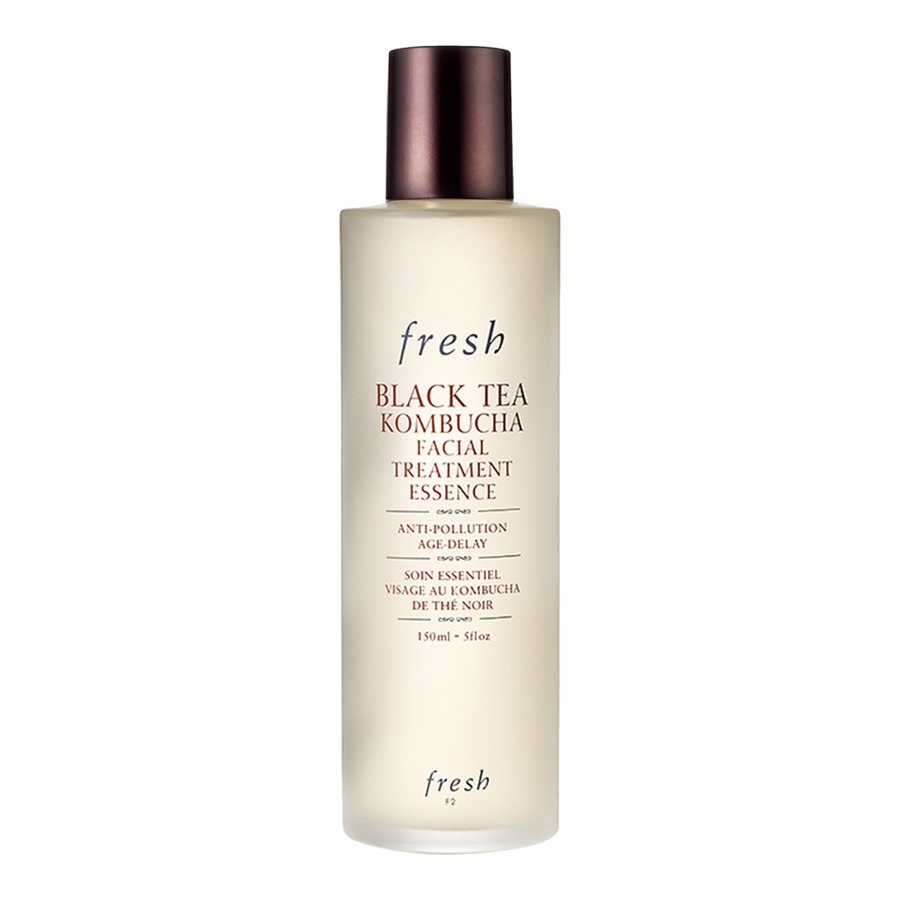
My two cents: My skin is way too sensitive for a regular toner. So I use an essence instead, which is a milder version of a toner. Taking a few drops of Fresh’s Black Tea Kombucha Essence Treatment and using my cleans hands to apply it on my face day and night has worked wonders to clarify, brighten and plump up my skin. The ingredients are: kombucha black tea (brightens and fights free radicals), hyaluronic acid (maintains moisture), mandarin peel extract (evens complexion), and kigelia africana fruit extract (smoothen skin texture).

Step 3 – Targeting specific skin concerns: Now that the skin is prepped and balanced, you can use a serum to help target your skin concerns. Serums usually have a concentrated amount of certain active ingredients to help fight a specific skin concern such as dryness, dullness, wrinkles, fine lines, redness or acne scars.
Some popular active ingredients in serums include: vitamin C, hyaluronic acid, retinol, vitamin B3, peptides, niacin-amide.
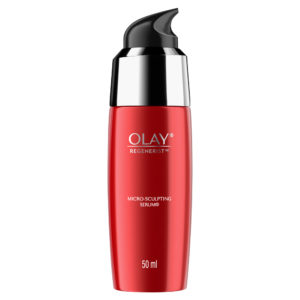
My two cents: My skin concerns are texture due to acne scars, dullness and reducing the appearance of fine lines (it’s never too early to start with anti-aging products!). The main ingredients in the Olay Regenerist Micro-Sculpting Serum that help combat my concerns are peptides to boost collagen and elastin to plump and smoothen skin and reduce fine lines, and niacin-amide to reduce inflammation and improve acne and brighten skin.
Step 4 – Moisturising the skin: As we age our skin’s ability to retain moisture and stay hydrated starts to decrease, which is why moisturising the skin with a lotion / moisturising cream / water-based gel twice daily is essential.
There are many different kinds of moisturisers available for each skin type.
Popular ingredients in moisturisers include: hyaluronic acid, vitamin E, cocoa butter, shea butter, marula oil, glycerin, ceramides and sodium hyaluronate.
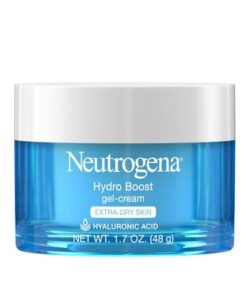
My two cents: My acne-prone skin cannot handle a moisturiser that is too thick and creamy because it can block my pores and cause acne. I need to go for something that is fragrance-free and has a light formula with simple ingredients like hyaluronic acid and sodium hyaluronate. My two favourite moisturisers are the Olay Regenerist Whip Face Moisturiser and the Neutrogena Hydro Boost Nourishing Gel Cream. I think they both do a great job of keeping my skin hydrated all day.

Step 5 – Protecting the skin: Wearing sunscreen with an SPF of at least 30 daily is essential for protecting the skin against UVA and UVB rays. It doesn’t matter if you’re at the beach or in an air-conditioned office, protecting your skin with SPF is the single, most important thing you can do to prevent ageing (appearance of fine lines, wrinkles and pores) and also prevent some skin cancers.
There are two kinds of sunscreens
- Mineral: ingredients include zinc oxide and titanium dioxide, sits on top of the skin, leaves a white cast and requires frequent re-application
- Chemical: ingredients include oxybenzone and octinoxate, absorbs into the skin, no white cast, can cause irritation on sensitive skin
My two cents: My skin is extremely sensitive to sunscreen and I get acne breakouts almost immediately because certain ingredients and formulas are too heavy and clog my pores. It turns out I was using the wrong kind of sunscreen for years. I finally discovered the Shiseido Perfect UV Protector SPF 50+ WetForce, which is specifically designed for sensitive skin and children (I figure something that’s okay for kids, should be ok for me too!). It’s a very thin formula and does initially leave a slight white cast on my darker skin tone so I let it absorb for about 5-10 minutes and the cast is gone. And then I can easily wear makeup over it without worrying too much.

Note: Face masks, sheet masks, acne treatments, exfoliating treatments etc are very subjective and depend on each individual’s needs, which is why I did not mention them in this post. If you are interested in what masks I use for my skin type, read this post.
Do all the steps of your skin care routine every day and every night — never skip!
Once you have figured out what skin care routine and products work for you, do it every single morning and evening before bed. Don’t skip. It sounds tedious and boring but I can’t stress enough how focusing on my skin care and being diligent about my routine has improved my skin’s quality and reduced acne.
If you feel like you don’t have time for the whole routine on some days, do the three basic steps at the very least: wash, balance and moisturise.
Remove makeup and always (try to) double cleanse before sleeping
This is another cardinal skin care rule to live by: never sleep with your makeup on.
Leaving makeup on means your pores are clogged for hours and there is a mixture of products and chemicals just sitting there on your face, which can only lead to acne and other issues.
I like to do what is called a double cleanse, which is basically first removing makeup with a remover, balm, oil or micellar water (this is my favourite for sensitive skin) and then following up with a second cleanse using cleanser / face wash to ensure everything (read: waterproof mascara) is gone. I know there are days where double cleansing is the last thing you want to do, so my hack here is to remove my makeup with micellar water at the very least before I sleep and my face doesn’t any rinsing after.
Wear sunscreen with SPF every single day
I’m still getting used to wearing sunscreen with SPF 30 every single day. But after doing all the research and reading, it appears to be the one skin care step that is essential to protect skin against early ageing and sun damage. The earlier you start using sunscreen, the better it is in the long-term.
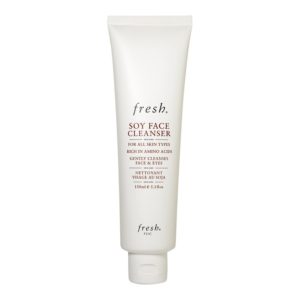 This cleanser has worked wonders for my acne-prone, highly sensitive skin. I started using it a few months ago and immediately noticed an improvement in the quality of my skin texture — it become a lot smoother and supple. The
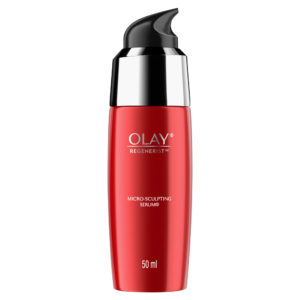 This is one of my holy grail products but it’s not from Sephora. It is available at the drug store. I use it religiously morning and night and I love it so that’s why I had to mention it as a part of this routine. It makes my skin feel like velvet after application. Living in a hot, tropical climate I don’t really like products that leave my skin feeling too wet or greasy and the