10 Step Korean Skin Care Routine: Everything You Need To Know

The 10 Step Korean Skin Care Routine! Wow, that sounds intimidating, doesn’t it?

Don’t worry. In this post, I will explain what “The 10 Step Korean Skin Care Routine” (a term coined by Charlotte Cho, the founder of Soko Glam) is and if it actually makes sense.

What is the 10 Step Korean Skin Care Routine?

The 10 Step Korean Skin Care Routine is a reflection of Korea’s scientific advancements in the beauty industry and unique perspective that skin care is a lifestyle, not just a daily routine. K-beauty rests on the single belief that skin care is preventative, so each step in the 10 Step routine below plays a role in keeping skin healthy and glowing.

The 10 Step Korean Skin Care Routine can be broken down into four main sections: cleansing, prepping, nourishing and protecting the skin.
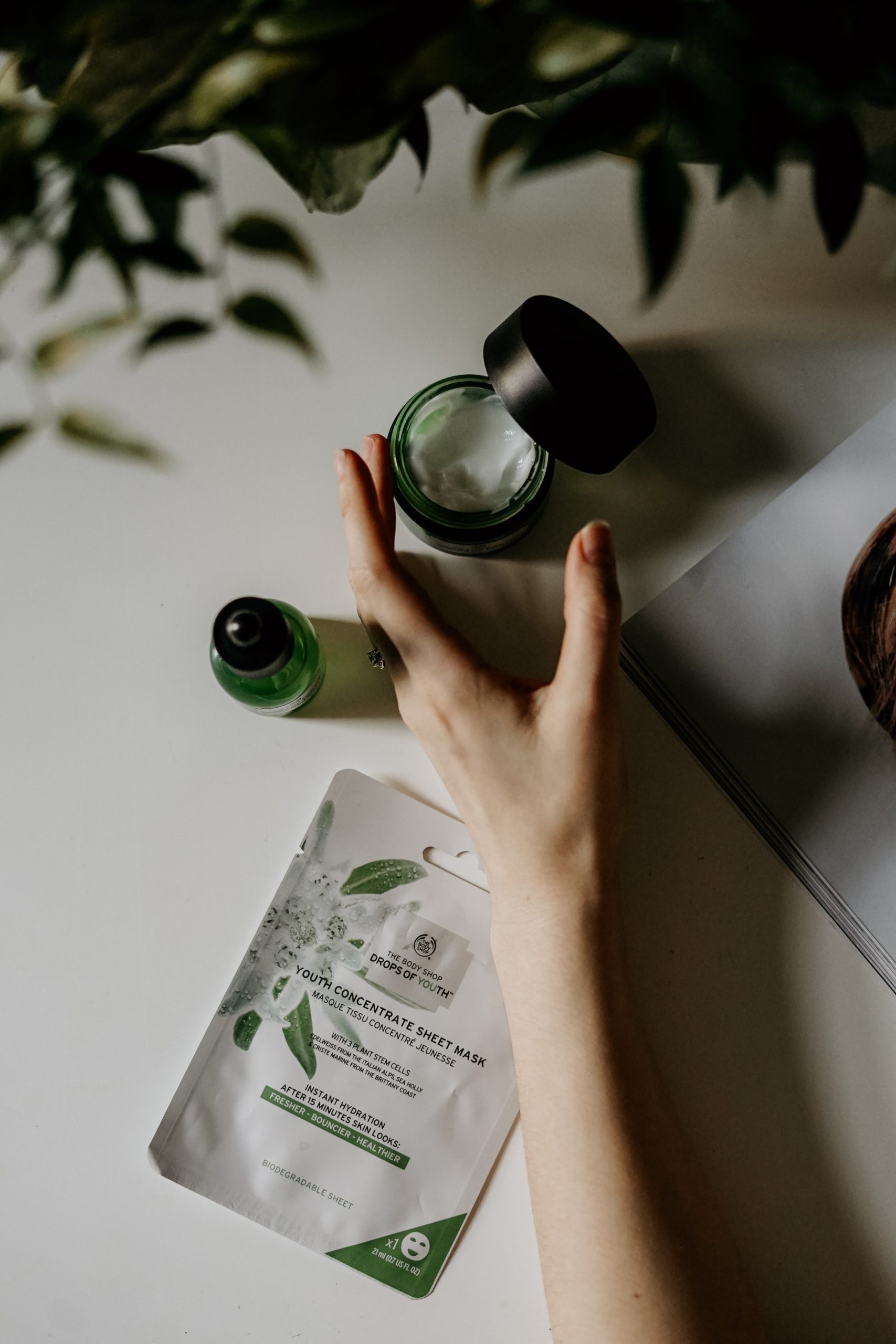
10 step korean skin care routine
Photo by Toa Heftiba on Unsplash

Cleanse

Keeping the skin clean is paramount in Korean skin care and it is the first most important step to maintaining clear and healthy skin.

1. Oil Cleanser & Makeup Remover

Oil cleansers are available in a lot of different formulas including cleansing oils and balms, which are designed to break down oil-based products like makeup and sunscreen as well as any other dirt or pollution as you massage it into the skin. This is the first step of a typical double cleanse.

When to use: AM and/or PM. But most important to use it at night.

2. Face Cleanser

Face cleansers or face washes are known as water-based cleansers. With water they tend to foam and cleanse the skin deeply to remove any leftover dirt from the skin and pores that the oil cleanser might have missed. Face wash is an extremely vital step in any skincare routine as it ensures that skin is very clean before applying anything on top.

When to use: AM and PM. For best results, wet your face first and massage in small circular motions.

3. Exfoliator

Exfoliators are available in physical form such as scrubs or in chemical form as toners and serums. These are designed to clean deep inside pores and on the surface of the skin to remove dead skin cells. You will notice ingredients such as salicylic acid, lactic acid and glycolic acid in exfoliators. They are important to help with even skin texture and brighter skin tone. If your skin is clear of debris and dead skin, then other skin care products can absorb into the skin much more effectively and work better.

When to use: 2-3x a week, depending on your skin type and concerns. I recommend exfoliating at night.

Prep

In K-beauty, prepping the skin to effectively absorb other skincare layered on top is very important because it can make or break the efficacy of a skin care routine.

4. Toner

Toner is a step that is often overlooked or not given as much importance. They also help give the skin a natural glow. Toners have come a long way from the astringent like formulas of the 1990s. Today, toners have lightweight, alcohol-free, water-like formulas to add moisture and balance the pH levels of the skin, so other products absorb much faster into the skin. Look for hydrating toners with ingredients like aloe, hyaluronic acid, snail mucin, Centella Asiatica, propolis extract, rice extract etc.

When to use: AM after cleansing. PM after exfoliating.

Nourish

Nourishing the skin is where a Korean skin care routine really shines because of the belief that skin care is preventative, not reactive. So, just like how eating healthy and taking care of our bodies is vital for good long-term health, the same goes for skin. Each step serves a purpose in boosting skin health (and the coveted Korean glass skin effect).

5. Essence

Essences (also known as “skin” in Korea) are similar to toners in formula, but slightly more viscous. They are somewhere between a water-like toner and thin serum. Essences are designed with ingredients like rice extract, red algae, hyaluronic acid, soybean extract, oat kernel, yeast and a whole lot more. The main thing to know about essences is that they are usually formulated with fermented ingredients to form a concentrated skin care product that is hydrating, anti-aging, and brightening on the skin.

When to use: AM and PM after toner. You can try the 3, 5 or 7 skin method for extra hydration.

6. Serums & Ampoules (aka Treatments)

Serums and ampoules are thicker than essences in formula and are for targeted skin concerns such as hyperpigmentation, wrinkles, acne, and rosacea. Ampoules tend to have higher concentration of active ingredients, which makes them much more potent, so be mindful about how and when to use them. Serums are gentle and can be used daily. For this skin care step, it’s important to do your search and figure out what your skin needs. Look for active ingredients such as vitamin C, hyaluronic acid, propolis extract, tea tree, snail mucin extract, plant extracts, niacinamide etc.

When to use: AM or PM as advised on the product. Don’t use multiple serums and ampoules together and use carefully.

7. Sheet Masks

Made of a thin sheet that conforms to the face, sheet masking is an extra fun step in Korean skin care. They are thin masks soaked in essences — many different kinds are available — and are supposed to be left on the face for 15-20 minutes to let the skin absorb an extra dose of moisture and nourishment. You’ll find lots of sheet masks made from flower and plant extracts such as cucumber, jasmine, green tea, rose, rice, ginseng, lemon, aloe etc. Depending on your skin type and skin concern, you can bet there is a wide range of sheet masks available — and they’re not expensive at all.

When to use: whenever you feel like a little extra pampering after cleansing and toning the skin. Sheet masks can replace the essence step or skip essence and use after serum.

8. Eye Cream

Eye cream protects the skin around the eyes, which is very thin and delicate compared to the rest of the face, by adding hydration. It helps to reduce the appearance of fine lines and puffiness and brighten the eye area. Look for ingredients such as ginseng, caffeine, peptides, collagen, plant / flower extracts, hyaluronic acid, glycerin, bakuchiol, green tea, etc.

When to use: AM and PM before moisturizer (and sunscreen).

Protect

Skin protection is a non-negotiable step in any skin care routine. After making all the effort to cleanse, prep, and nourish the skin, it is vital to lock in all the nutrients and protect the skin.

9. Moisturizer

Moisturizer acts as a seal for all the moisture the skin absorbs from the toners, essences, and serums. Skin needs moisture 24/7 to stay healthy and plump, so moisturizer is always one of the final steps in a skin care routine. Moisturizers are available in a range of formulas including lotions, water gel, gel cream, emulsion, and sleeping mask and with a wide range of ingredients. Some popular ones are: hyaluronic acid, cica, green tea, snail mucin, botanicals, oat kernel extract, seawater, seaweed extract, collagen, glycerin, birch sap, niacinamide.

When to use: AM and PM after all skin care steps.

10. Sun Protection

Korean skin care routine takes sun protection very seriously. It is one of the only proven ways to prevent fine lines and other signs of aging caused by UV sun damage. So, every morning skin care routine ends with a generous amount of sunscreen application followed by re-application throughout the day. There are so many different types and formulas of sunscreens available: mineral sunscreen, chemical sunscreen, tinted sunscreen, and sunscreen sticks (great for reapplication over makeup). Find a sunscreen with a minimum SPF 30 (minimum) and PA rating ++++ that works for your skin type and skin concern. Look for formulas that don’t have a white cast or clog pores and look good under makeup.

Do you need a 10 Step Korean Skin Care Routine?

The short answer is no. You’re not supposed to do all the steps every day.

The long answer is ao no, but now that you understand the philosophy behind the 10 Step Korean Skin Care Routine, you can take the steps that make sense for you and create your own skincare routine. Most people have a 5 to 7 Step Korean Skin Care Routine, which looks something like this:

Morning Korean Skin Care Routine

Face cleanser, toner, serum, eye cream, moisturizer, sunscreen

Night Korean Skin Care Routine

Oil cleanser, face cleanser, toner, essence, serum, eye cream, moisturizer

What is optional in the 10 Step Routine?

You can skip essence and sheet masks and use them when you feel like an extra dose of pampering.

Related:

Korean Skincare Tips for Acne-Prone Skin

Affordable Korean Skincare Brand Innisfree Is Great For Acne-Prone Skin

Easy Korean Skin Care Techniques That Will Make Your Skin Glow
Affordable Korean Skincare Brand Innisfree Is Great For Acne-Prone Skin

Innisfree is a Korean skincare brand with products that are formulated using ingredients sourced from Jeju Island. Each line of products is centered around a key ingredient such as Lava Seawater, Sea Salt, Green Tea, Cherry Blossom, Bija Tree etc and it’s associated benefits for different skin concerns.

My main skin concerns include:

  • preventing and controlling acne breakouts
  • balancing oil-control
  • keeping the skin hydrated
  • preventing the appearance of fine lines

I purchased each of the products below based on some initial research about the key ingredients and benefits for the skin and used it for 3 months to see how it performed. Here are my thoughts:

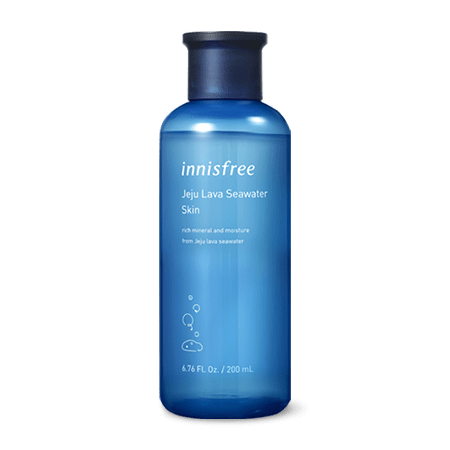
Jeju Lava Seawater Skin (Essence) (200ml)
Price: ~840 baht

The Jeju Lava Seawater Skin (Essence) is extremely hydrating on the skin. The formula is very thin and water-like. After cleansing the skin, I use two splashes from the bottle and pat onto my skin. My skin remains damp for about a minute after application before the essence absorbs into the skin.

Lava seawater boosts skin hydration and holds anti-aging properties. I like that the product is simple, straightforward and does exactly what it is supposed to: hydrate the skin. There is no fragrance or sticky residue. My skin feels extremely hydrated and plump all day. The Jeju Lava Seawater Skin (Essence) carries a slightly heavier price tag, but I still think it is great value for how much product you get as compared to other essences and toners.

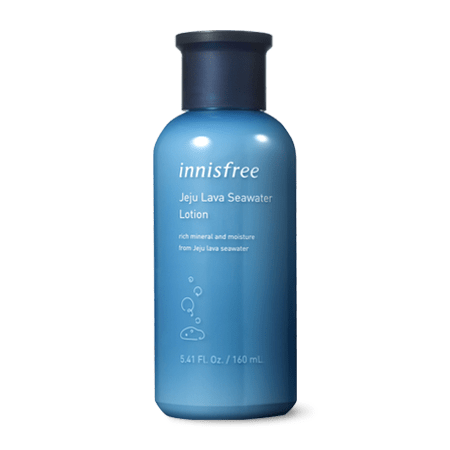
Jeju Lava Seawater Lotion (160ml)
Price: ~840 baht

The Jeju Lava Seawater Lotion is a runny lotion. It’s quite a different formula from what I am used to.

On reading about the product further, I discovered the lotion is designed to feel extra damp on the skin (it’s called a “moisture film”) because it helps to lock-in moisture and plump up the skin. Jeju Lava Seawater is also known to help balance oil-control.

I noticed a massive difference in the quality of my skin with this lotion. It feels bouncy and I can see the glass-skin effect.

The frequency of my acne breakouts significantly reduced since introducing this lotion as the final step in my skincare routine. I use it day and night, but I tend to use it more at night because it is so hydrating and the lotion needs a few minutes to absorb completely. While I’m not a huge fan of the formula, but I can’t deny that this product works and that’s why I highly recommend it.

I have no issues wearing sunscreen or makeup over this lotion (just wait about 5-10 minutes to let as much of the product absorb into the skin).

The Jeju Lava Seawater Lotion is great value for money because you get 3x the amount of product compared to other moisturizers.

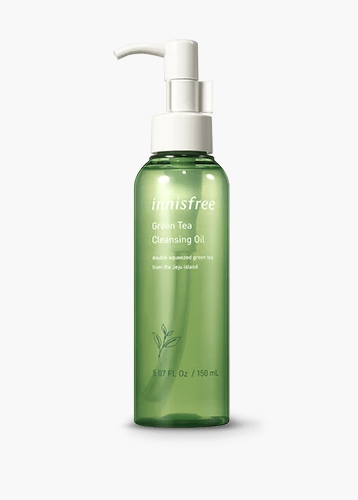
Green Tea Cleansing Oil (150 ml)
Price: ~770 baht

The Green Tea Cleansing Oil has an essence-like formula and feels extremely light when I apply it onto the skin. I take two pumps and massage it onto my dry face first to melt away makeup and then add water. It turns into a slightly milky consistency to further massage and cleanse the skin. My skin feels extremely hydrated and clean after rinsing all of the oil off with warm water; there is no oily residue or sticky feeling left on the skin.

It’s not the most powerful makeup remover because there is some mascara or makeup left on the perimeters of my face after using this cleansing oil. But that being said, for daily use, it is gentle and effective.

Just a note that packaging of the cleansing oil is not super travel-friendly as it comes in a pump with no twisting lid.

If you have sensitive, acne-prone or oily skin, then I highly recommend the Green Tea Cleansing Oil.

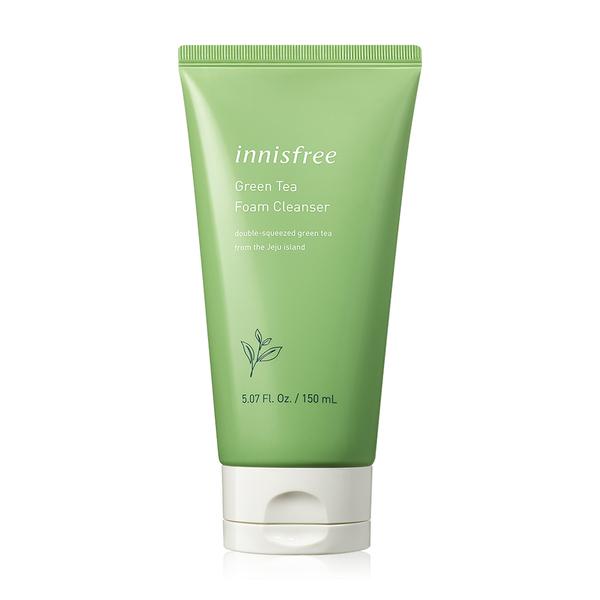
Innisfree Green Tea Foam Cleanser Face Wash (150 ml)
Price: ~330 baht

Using the Green Team Foam Cleanser feels luxurious on the face because with a little water, the cleanser lathers up into a creamy foam as you massage it all over the face. I like to massage it for a good 45-60 seconds all over to really deep clean the face and I think it does a good job.

Green tea is known to provide hydration and hold anti-inflammatory properties, which really help with skin concerns such as hydration and redness/scarring.

The Innisfree Green Team Foam Cleanser face wash is great as a daily cleanser. I also think it is amazing value for money (as compared to other cleansers) because you get a lot of product for a very affordable price point. My only note is that it can slightly irritate the eyes if the lathered foam gets in, so keep that in mind.

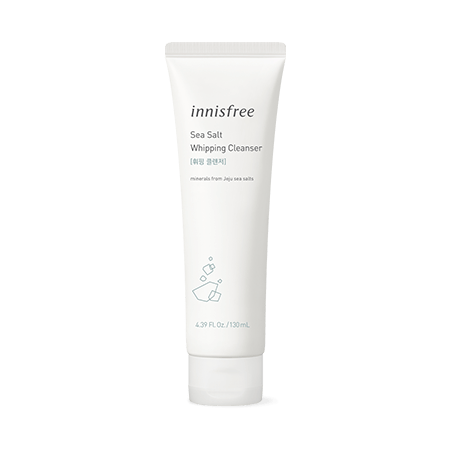
Innisfree Sea Salt Whipping Cleanser Face Wash (130ml)
Price: ~370 baht

The Sea Salt Whipping Cleanser is rich with sea salt minerals, which are known to help smooth the skin’s texture and remove impurities/excess sebum (oil).

The formula of the cleanser is interesting because it contains tiny particles that activate with water, so it feels like a very gentle face scrub. With water the Sea Salt Whipping Cleanser lathers up into a foam. You only need a pea-sized amount to get a very dense luxurious foam.

I think the Sea Salt Whipping Cleanser works because it does an incredibly good job of cleansing the skin and unclogging pores. My skin feels smooth and squeaky clean after every use. I think it has made a really big difference in balancing my skin’s oil-control and keeping acne under control. Just a note: be very careful around the eyes and nose because I got a little of the dense foam up my nose and it stung a bit. I’d also recommend using a very hydrating moisturizer as the face wash can feel a bit drying after use.

I would treat this face wash more like a face scrub and use this product 2-3x a week to avoid sensitivities and reactions, especially if you have sensitive skin or active breakouts.

Related:

Skincare Routine for Acne-Prone Skin

Pregnancy Daytime Skincare Routine For Oily, Acne-Prone Skin

Pregnancy Nighttime Skincare Routine For Oily, Acne Prone Skin

Korean Skincare Tips for Acne-Prone Skin

Final thoughts: Innisfree works for oily and acne-prone skin concerns

I am very impressed by Innisfree. The products are generally affordable and incredible value for money given the amount of product you get.

But what totally blew me away is how well the products perform based on the product claims. Three months ago, I was battling chronic acne breakouts and nothing seemed to help. After switching over to using the Innisfree products daily, my chronic acne is almost gone! I think it is due to the combination of using the Green Tea Cleansing Oil, Sea Salt Whipping Cleanser, and Jeju Lava Seawater Lotion — these are definitely the stand out products for me.

If you have acne-prone skin, then I highly recommend Innisfree products. They really did work for me. If you have other skin concerns, then I still recommend Innisfree because you can read through the different product lines and ingredients and create a routine (like I did) to suit your needs.

The K-Beauty Skincare Step You Cannot Miss For Glowing Dewy Skin

I really wanted to share this interesting discovery in my K-Beauty skincare research because I think it can change the way you look at your skin and how you choose to take care of it.

In Korea skincare is focused on helping the skin dewy. And I have to stress that dewy / glowy does not mean oily. It means the skin is well hydrated making it plump and supple, giving off an all-over glow and radiance. That is why Korean skincare routines focus so heavily on adding hydration to the skin with multiple, layering steps: essence, serum, and moisturiser.

The “essence” (also known as “skin” in Korea) step originated in South Korea and many believe it is the core of a good skincare routine. It is essentially a thin liquid with a watery consistency (in fact most essences look exactly like water) and contains active ingredients to help hydrate the skin as well as target other skin concerns such as dullness, wrinkles and fine lines etc. Essence is applied after cleansing and toning and before serums and moisturiser. The ideal way to apply essence is to pat it into the skin gently instead of swiping to allow for effective absorption into the skin. Some even follow the “7-skin” method, which is essentially layering on essence seven times to ensure maximum hydration.

I know, I know, seven layers of essence sounds like a lot of effort. But I wanted to elaborate on the concept of using essences before I let you in on a fun K-Beauty secret: sheet masks!

What exactly is a sheet mask, you ask? 

It is a Korean beauty innovation which essentially takes most of the active ingredients found in an essence and soaks it into a sheet mask package. The sheet mask is designed with cut-outs for the eyes, nose and mouth and put on the face for anywhere from 15-30 minute, letting all the essence-like liquid absorb into the skin and any left over product can be massaged into the neck, shoulders and arms. You do not need to wash it off.

Sheet masks are an effective way to hydrate the skin because it lays on the skin for a longer period of time, allowing the skin to soak in and lock down all the nutrients. You’ll notice that your skin is visibly softer, more supple and dewy after using a sheet mask.

Stemming from viral popularity in Korea as a skincare step, sheet masks are now available all over the world. The nice thing about sheet masks is that they are generally quite effective and inexpensive, making it even more appealing.

It’s important to note that using a sheet mask in place of an essence in your skincare routine a few times a week is okay but it should not replace using an essence daily.

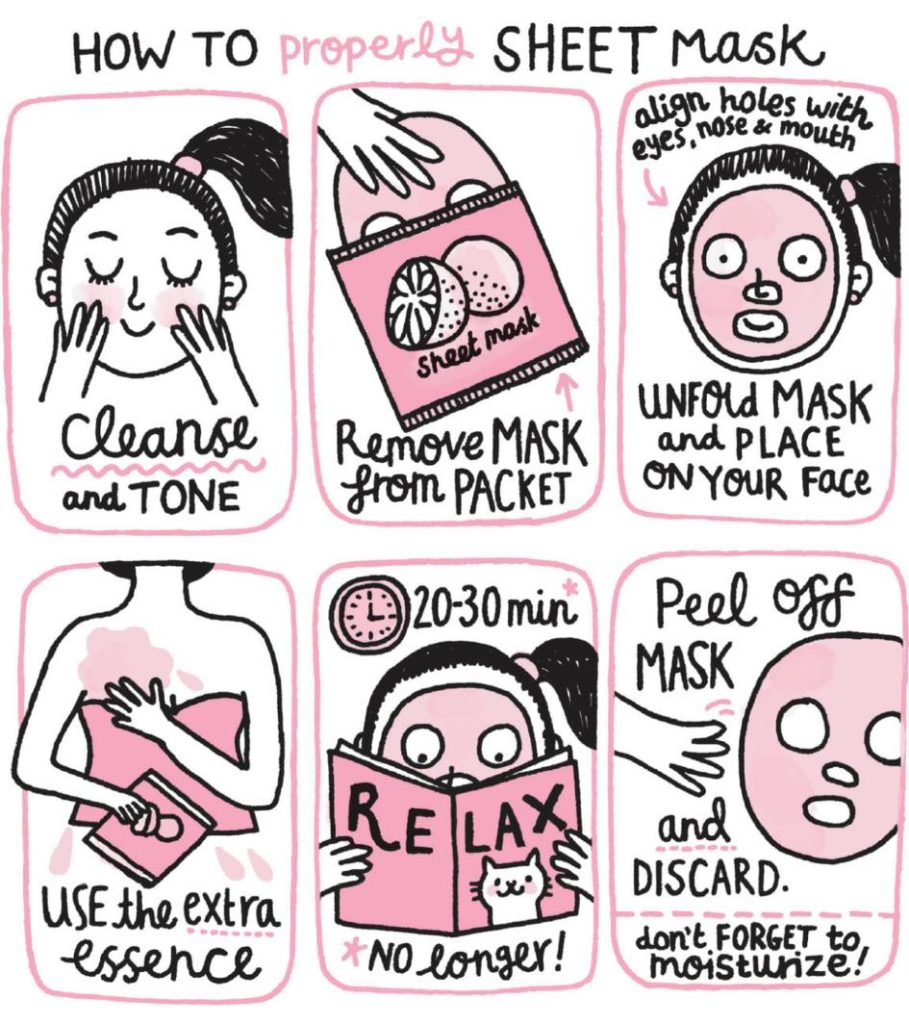
Here’s a handy infographic about how to use a sheet mask in a skincare routine The Little Book of Skin Care: Korean Beauty Secrets for Healthy, Glowing Skin by Charlotte Cho.

78388958_2353930261604106_2506019722504437760_n

A few tips:

  • Find the right sheet mask by looking at the key active ingredient and/or skincare benefit listed right on the package itself i.e. Vitamin C and/or brightening the skin, hyaluronic acid and/or hydrating the skin
  • In hot and humid weather, put the sheet mask in the fridge so it’s cooling on the skin when used
  • Use it as an instant facial to brighten skin before major events and/or prep for heavy makeup
  • Always moisturise (and use SPF during the daytime) after using a sheet mask

What are your favourite sheet masks? Please share in the comments below.

How To Build A Korean Skin Care Routine For Oily And Acne-Prone Skin

Here’s what I learned about building a Korean skin care routine for acne-prone skin from the book The Little Book of Skin Care: Korean Beauty Secrets for Healthy, Glowing Skin by Charlotte Cho. It’s a great book to read if you want to learn more about skin care and Korean beauty.

Double cleanse is the cornerstone of Korean skin care

Korean skin care routine
Photo by Curology on Unsplash

For acne-prone skin, one of the key things to focus on is cleanliness. Breakouts happen when pores are clogged due to dirt and debris from the environment and residue from beauty products. So, following the practice of a double cleanse at night to ensure all dirt is removed from skin can prevent more breakouts from occurring.

First, use a gentle oil cleanser or balm to melt away makeup and remove dirt. Then, follow up with a water-based face wash to get a solid second cleanse, so the face is very clean.

Chemical exfoliators are more popular in Korean skin care

Exfoliating is another popular step in Korean skin care. After cleansing the face at night, use a chemical exfoliator with BHA or betaine salicylate (a gentler form of BHA) to remove dead skin cells and excess oil from the pores. Do this two to three times a week on alternating nights. Make sure to use a hydrating serum and moisturizer after.

Related:

A Beginner’s Guide To Active Ingredients In Skincare Products Broken Down By Skin Type and Concern (Includes a Printable Infographic!)

Affordable Korean Skincare Brand Innisfree Is Great For Acne-Prone Skin

Spot treat with a pimple patch

This sounds like glaringly obvious advice and almost like something that won’t work, but there are a range of pimple patches from Korean skincare brands that do actually work to reduce inflammation and help pimples (especially the really large painful ones) heal faster. After cleanser and exfoliating toner, pop on a pimple patch (and use as directed on the product) on the affected areas and continue with normal skincare routine.

Choose a moisturizer with the right formula for acne-prone skin

Some moisturizers are too thick and contain too much oil for acne-prone skin. Look for a gel cream or water-based cream. Gel creams are ideal because they are water-based, absorb quickly, and non-clogging on the pores. Facial oils are not recommended for oily and acne-prone skin.


Note: These tips are for informational purposes only. Please do your research and consult your doctor before making any changes to your skincare routine, especially if using prescribed products.